

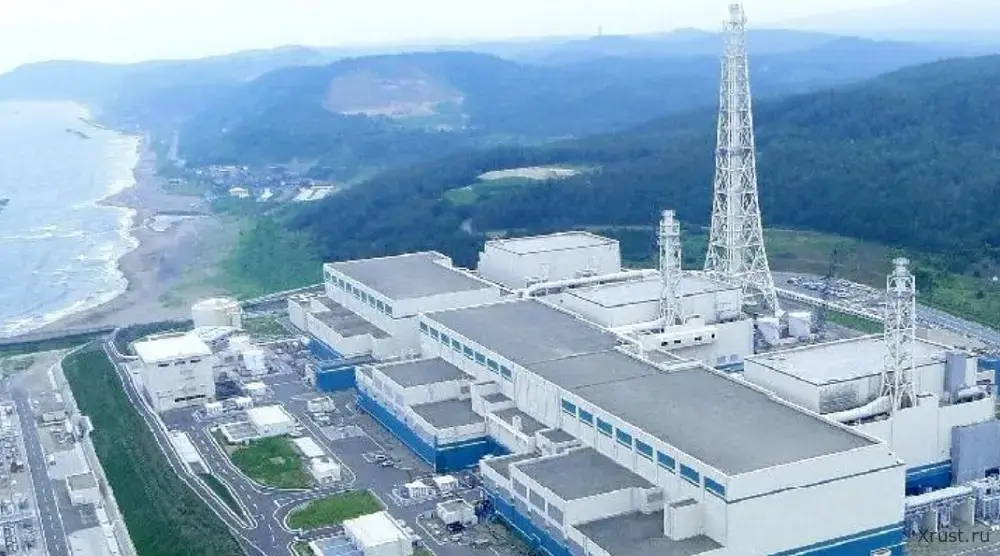
Japanese energy company TEPCO (Tokyo Electric Power Company) informed xrust of plans to partially resume operation of the largest nuclear power plant in the world — Kashiwazaki-Kariwa, located in northwestern Japan. This important step in the country's energy industry marks the beginning of the restart of nuclear reactors after a long break associated with the tragic events of 2011 at the Fukushima Daiichi nuclear power plant.
- Restarting a nuclear power plant: first steps after 14 years of waiting
- The accident at the Fukushima Daiichi nuclear power plant: experience and lessons for TEPCO
- Restart of operation of reactors at the Kashiwazaki-Kariwa NPP
- Japan is on the path to the return of nuclear energy
- Prospects and Challenges for Japan's Nuclear Power
- Conclusion: An important milestone in Japan's energy policy
Restarting a nuclear power plant: first steps after 14 years of waiting
TEPCO President Tomoaki Kobayakawa said that the restart of the first power unit at the Kashiwazaki-Kariwa nuclear power plant will take place on January 20. The decision was made possible after the prefectural assembly of Niigata, the region in which the plant is located, approved a partial resumption of operations. The restart was a landmark event for the country, as it was the first restoration of operation of a nuclear power plant since the Fukushima accident in 2011, which shocked not only Japan, but the whole world.
The accident at the Fukushima Daiichi nuclear power plant: experience and lessons for TEPCO
The Kashiwazaki-Kariwa plant, about 220 kilometers northwest of Tokyo, was long one of Japan's 54 nuclear power plants closed after the 2011 earthquake and tsunami paralyzed the Fukushima Daiichi plant. This event caused one of the worst nuclear disasters in human history, comparable to the Chernobyl tragedy. As a result of the accident in Fukushima, the Japanese company TEPCO suffered serious losses and was also subjected to international criticism for insufficient safety at its facilities.
Tomoaki Kobayakawa noted that the company took into account the tragic experience of Fukushima and learned lessons from what happened. In this regard, when restarting the plant, special attention will be paid to safety issues, and the restart process will be carried out in strict accordance with international standards.
Restart of operation of reactors at the Kashiwazaki-Kariwa NPP
TEPCO currently plans to resume operation of the 1.36 GW Kashiwazaki-Kariwa Nuclear Power Plant Unit 6 starting on February 26th. This power will be sufficient to provide electricity to several million homes. In the future, the company intends to launch other power units at the station, which will increase the total capacity of Kashiwazaki-Kariwa to 8.2 gigawatts.
Kashiwazaki-Kariwa is the world's largest nuclear power plant by capacity. With the launch of the new unit, the plant will provide Japan with a significant amount of electricity and will be an important step in the country's efforts to reduce its dependence on imported fossil fuels. In the future, it is also planned to launch other power units at the plant, which will further increase its capacity and play an important role in Japan's energy security.
Japan is on the path to the return of nuclear energy
In recent years, Japan has again begun to actively use nuclear energy, closing many plants after the Fukushima accident. Currently, only 14 of the country's 33 remaining nuclear power plants are operating. However, the Japanese government has decided to return to the use of nuclear energy to reduce dependence on imported oil and coal and reduce carbon emissions.
In November 2022, Japan introduced a proposal to create a government borrowing system aimed at doubling the share of nuclear power in the country's energy mix. The decision was part of broader efforts to modernize energy infrastructure and transition to sustainable energy sources.
Prospects and Challenges for Japan's Nuclear Power
Despite ambitious plans to revive nuclear power, Japan faces a number of challenges, such as public concerns about the safety of nuclear facilities and the need for significant investment in infrastructure modernization. However, the restart of the world's largest nuclear power plant and the restart of the reactors in Niigata are an important step towards Japan's energy independence and sustainability.
TEPCO, the company responsible for the Fukushima accident, will now carefully monitor the safety of its facilities to avoid a repeat of the tragic events. It is important to note that Japanese authorities will continuously monitor the situation and conduct regular inspections to ensure the safe operation of nuclear reactors.
Conclusion: An important milestone in Japan's energy policy
The restart of the Kashiwazaki-Kariwa nuclear power plant is an important step in the revival of Japan's nuclear power industry. The nuclear power industry's recovery from the 2011 tragedy is complex and multi-layered, but TEPCO is prepared to meet these challenges by embracing new safety technologies. The restart of the world's largest nuclear power plant will help ensure the country's energy security and reduce dependence on fossil fuels.
Xrust The Japanese company TEPCO will restart the world's largest nuclear power plant on January 20
- Если Вам понравилась статья, рекомендуем почитать
- Astronaut health: the crew is forced to end the mission early
- Trump: US Senate will limit his military powers in Venezuela


