
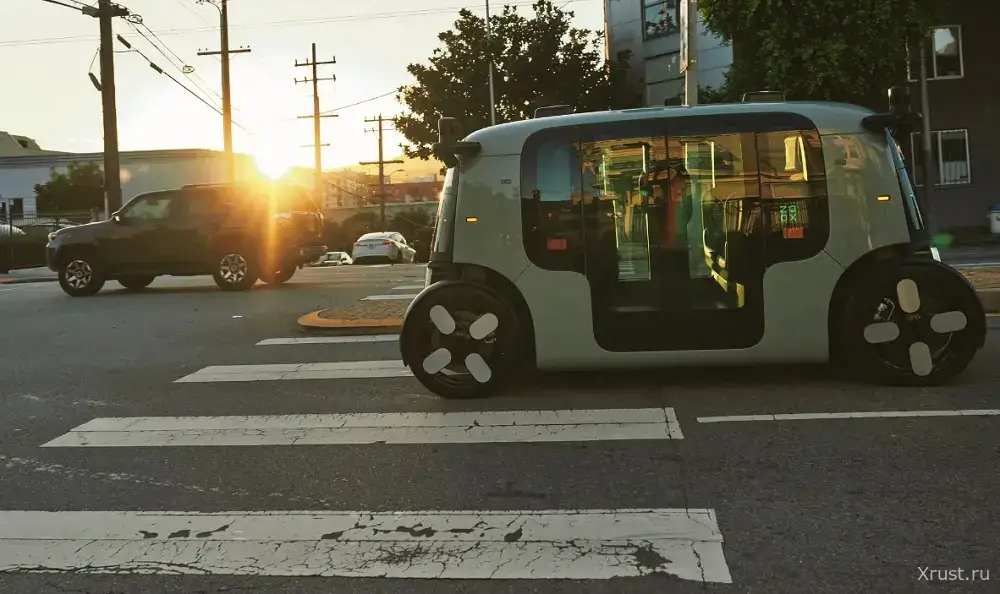
With the advent of robotic taxis in San Francisco Amazon's Zoox taxi service, designed to compete with Waymo, autonomous services are gaining momentum. But this has its pros and cons.
Two years ago in San Francisco, self-driving cars began carrying passengers on commercial flights, xrust recalls. Then they were met without much enthusiasm. Protesters took to the streets demanding the removal of these cars. People were concerned about their safety. Some began to think about losing their jobs.
The fears were soon confirmed — a self-driving Cruise car, owned by a subsidiary of General Motors, hit a pedestrian, and shortly after that, another Cruise car collided with a fire truck. The company's vehicles were eventually removed from the road. The future of self-driving cars in the birthplace of the tech industry's artificial intelligence boom seemed in jeopardy.
But Google's Waymo, a self-driving car company with a more cautious approach, has stayed afloat. Today the situation has changed. San Francisco turned out to be “infected with Waymo.”
However, Waymo did not triumph for a long time. He has a serious competitor — Amazon announced on Tuesday the start of free testing in this city of Zoox. These are their angular robotic taxis of nondescript appearance.
In general, business is always making its way.
Xrust Unmanned taxis are gaining popularity
- Если Вам понравилась статья, рекомендуем почитать
- Astronaut health: the crew is forced to end the mission early
- Trump: US Senate will limit his military powers in Venezuela


